
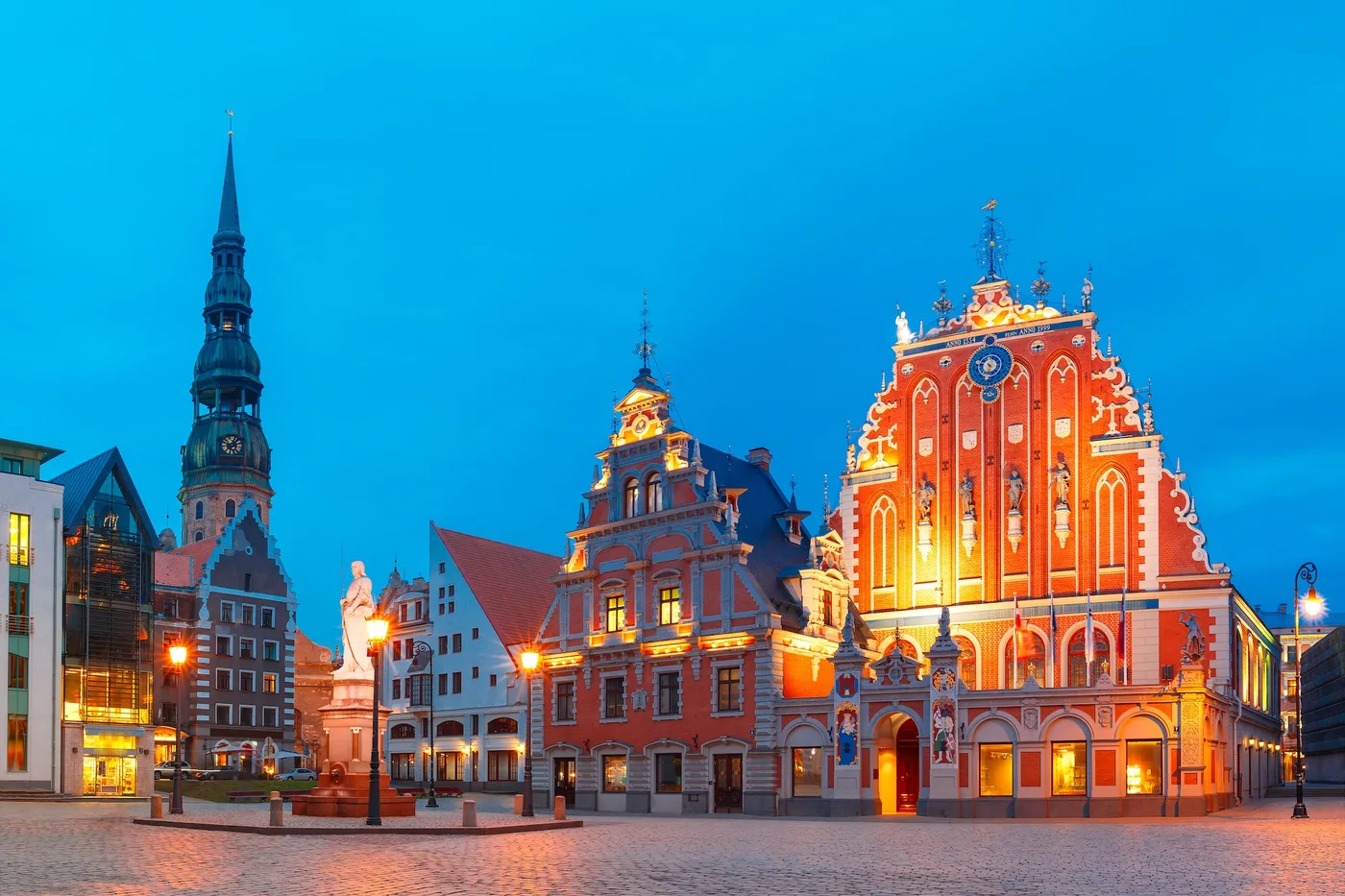
Best time to visit the Baltic states
Estonia, Latvia, and Lithuania share a continental climate with maritime influence from the Baltic Sea. That means warm summers, cold winters, and two shoulder seasons that offer some of the best travel conditions in Europe. The right time to visit depends on what you want to do, how you feel about daylight, and whether you mind sharing the old towns with other visitors. Here is what each season actually looks like.
Summer: June through August
Summer is when the Baltics come alive. Average temperatures sit between 18 and 24 degrees Celsius, occasionally reaching the low 30s during heat waves. Rain comes in short bursts rather than all-day drizzle. The days are extraordinarily long -- in Tallinn, Estonia, the sun barely sets in late June, giving you nearly 19 hours of usable daylight. Even in Vilnius, Lithuania, the southernmost capital, sunset does not come until after 10pm.
June is the month of the white nights and midsummer celebrations. Latvians celebrate Jani on June 23-24 with bonfires, flower wreaths, cheese, and beer. Lithuanians mark Jonines the same night. These are among the most important cultural events of the year, and experiencing one -- especially in a rural setting outside the cities -- is worth planning a trip around.
July and August are peak tourist season. The old towns in Tallinn, Riga, and Vilnius are noticeably busier, and accommodation prices rise accordingly. Beach towns like Jurmala, Latvia and Parnu, Estonia fill with local and Scandinavian holidaymakers. If you prefer quieter conditions, the first two weeks of June or the last week of August offer summer weather with fewer people.
Late spring: May and early June
May is when locals consider the year to truly begin. The trees leaf out, cafe terraces open, and the parks fill with people who have spent five months indoors. Temperatures range from 12 to 20 degrees -- warm enough for comfortable walking, cool enough that you will want a jacket in the evening.
This is the shoulder season that offers the best balance of weather, crowds, and price. Hotels and guesthouses are 20 to 40 percent cheaper than in July. The old towns are quiet on weekdays. The countryside is green and the roadsides are lined with wildflowers. The only drawback is that some rural attractions -- outdoor museums, island ferries, national park facilities -- may not open until late May or early June.
Autumn: September and October
September in the Baltics is often warmer than people expect. Temperatures in the first half of the month hover around 15 to 18 degrees, and the light takes on a particular golden quality that makes the old towns look their best. The forests begin to turn in late September -- birch and aspen go yellow, oaks turn brown, and the pine forests stay dark green, creating a palette that is quietly dramatic.
October is cooler and wetter, with temperatures dropping to 5 to 12 degrees. The days shorten noticeably -- by late October, sunset comes before 5pm. The tourist season is effectively over by mid-October, which means empty streets, lower prices, and a more authentic atmosphere. Museums, restaurants, and hotels remain open. This is a good time for travellers who prefer solitude to sunshine.
Winter: November through March
Baltic winters are cold, dark, and -- if you are prepared for them -- genuinely beautiful. December and January temperatures average between minus 2 and minus 8 degrees Celsius, though cold snaps can bring minus 20. Snowfall is common from December through February, and when the snow sticks, the old towns transform. Riga's Old Town under fresh snow, with the church spires lit against a grey sky, is a different city from the one you see in July.
The Christmas markets in Tallinn, Estonia, Riga, Latvia, and Vilnius, Lithuania run from late November through early January. Tallinn's market on Town Hall Square is the most celebrated, but Riga's and Vilnius's are less crowded and equally atmospheric. Hot mulled wine, gingerbread, woollen mittens, and handmade candles are staples at all of them.
The main challenge of winter travel is the darkness. In December, Tallinn gets fewer than 6 hours of daylight. The short days mean planning your sightseeing carefully and accepting that much of your experience will happen under artificial light. That said, the indoor culture -- concert halls, museums, saunas, restaurants -- is strong, and winter is the season when you are most likely to experience the Baltics as locals do, rather than as a visitor.
Festivals and events worth planning around
The Song and Dance Festival is the signature cultural event of all three countries. Each nation holds its own -- Latvia and Estonia every five years, Lithuania every four. Tens of thousands of singers and dancers perform in open-air venues, and the final concerts draw crowds of 30,000 or more. These festivals are on the UNESCO Intangible Heritage list, and attending one is a rare experience. Check dates well in advance, as they rotate between countries and do not follow a fixed calendar.
Other events worth noting: the Vilnius Film Festival (March), the Riga Jurmala Music Festival (July-August), the Tallinn Music Week (May), and the various jazz festivals that run through the summer in all three capitals. The cultural calendar is busier than the region's size would suggest, and most events are affordable by western European standards.
The short answer
If you want warm weather and long days, visit between mid-June and mid-August. If you want the best value and fewest crowds, come in May or September. If you want Christmas markets and snow, come in December. And if you want to understand what daily life here actually feels like -- the rhythm of a place rather than the highlights -- any month will do. The Baltics are not a destination that depends on good weather. They are a destination that changes with the seasons, and each version is worth seeing.
Frequently asked questions
- What is the best month to visit the Baltic states?
- June and July offer the warmest weather and longest days — up to 19 hours of daylight. September is ideal for fewer crowds, mild temperatures, and autumn colour. Each month has its own appeal.
- Are the Baltic states cold in winter?
- Yes. December to February averages around minus 5 to minus 10 degrees Celsius, with snow common. Days are very short (6-7 hours of daylight). However, winter brings Christmas markets, saunas, and a cosy atmosphere.
- Is summer crowded in the Baltics?
- Tallinn and Riga Old Towns can feel busy in July and August, but nothing like western European tourist hotspots. Outside the capitals, even in peak summer, you will often have places largely to yourself.
- When is the cheapest time to visit the Baltic states?
- November to March (excluding Christmas and New Year) offers the lowest hotel rates and flight prices. April and October are shoulder months with moderate prices and manageable weather.
Plan your visit
We organise private, guided journeys through the Baltics. Tell us your dates and we will build the route around you.
Start planning →